This week we continued our work from last week on ‘Stories of the City’. As I already had my interview material and photos, I learnt how to optimise my photographs this week.
During the workshop we played around with photoshop and grasped how to light and colour correct images. I found this really interesting and useful for the future, especially when it comes down to doing my project as I will be able to use a picture even if the original photo was too dark as I am able to optimise it. I also found out about rating images and how to decided which are best to use. This is something I was happy to learn more on as I am very indecisive person. It was really useful to remind myself of the correct sizes that images such be for certain mediums as I tend to forget sometimes when I am putting an article together.
1024 x pixels wide for online.
I found the composition in cropping quite a hard concept to grasp but I am hopeful that it will become more clear over the coming weeks and with more practice.
After the presentation and playing around with photoshop, I rated my pictures from last week and chose the best two to put in my article. I then optimised them and resized them in photoshops and exported it to my wordpress post. I enjoyed writing up my interview with Aldyth and deciding where was best to place my photographs.
I have also been putting more thought and planning into my project this week by deciding that I am going to go with my third idea of ‘The Misconception of Skateboarding’ and creating a list of potential sources to interview.
Leeds is a city that is in the hearts of many people. Whether it is for its arts, culture or even just the rooftop bar at Belgrave Music Hall. There is something for everyone in the city.
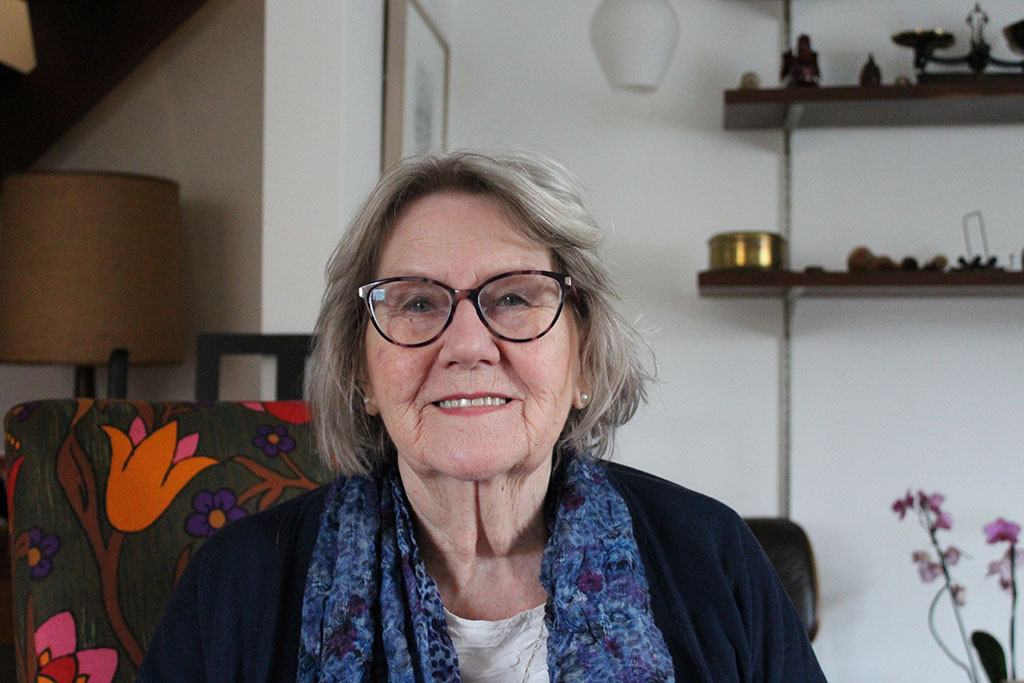
Aldyth Hardaker is eighty-three years old and has lived in Leeds for fifty-three years.
“I moved to Leeds in 1967 when I was thirty and had 4 children. I love the many, well-maintained parks and gardens along with the multitude of restaurants and bars which reflect the multicultural community of Leeds” said Aldyth.
Aldyth has been a resident of Leeds for over five decades and has been a first-hand witness to changes in the city. When she initially arrived into Leeds, she described it as dull and in need of great economic change.
“Leeds has changed hugely since I came to live here. The buildings were black, it had an old fashioned, insular and unsophisticated atmosphere and people appeared to be poor and in poor health.” she described.
There has been a lot of financial investment into the city since 1967. Victoria Square and Trinity are key shopping attractions in the city which were developed in the early 2000s.
“The historic buildings in the city have now been cleaned and are restored. We now have the Playhouse theatre, Opera North, International concerts at the Town Hall, the Arena and many more venues and opportunities for entertainment…Not to mention the new shopping areas. There are also a huge number of community groups and projects throughout the City,” said Aldyth.
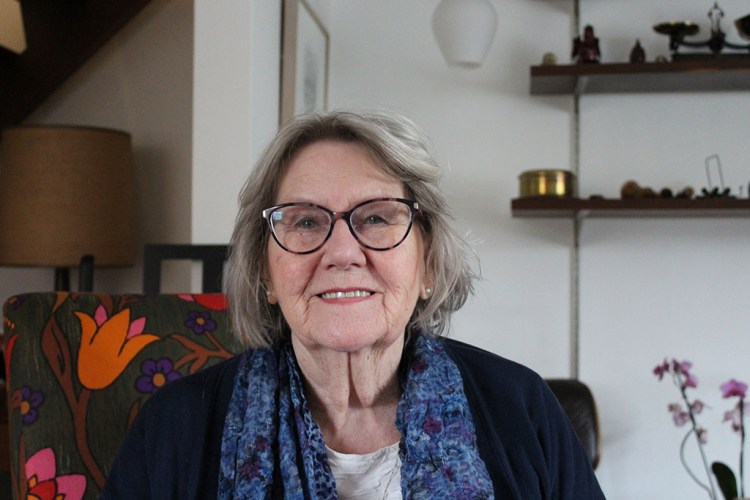
Aldyth Hardaker
Although there are many positive aspects of Leeds and a lot has changed for the better, in the eyes of many there are still a lot of things that need to change.
“I think the City would benefit from more accommodation in the centre and nearby to cut commuting,” said Aldyth.
This week we began properly using digital cameras to take pictures for a story. I was excited about this as I didn’t know much about digital cameras and was only used to using my phone camera to take photos to accompany my articles.
The task we were set out to do was to find somebody from Leeds who has an interesting story about the city, interview them and take their photograph.
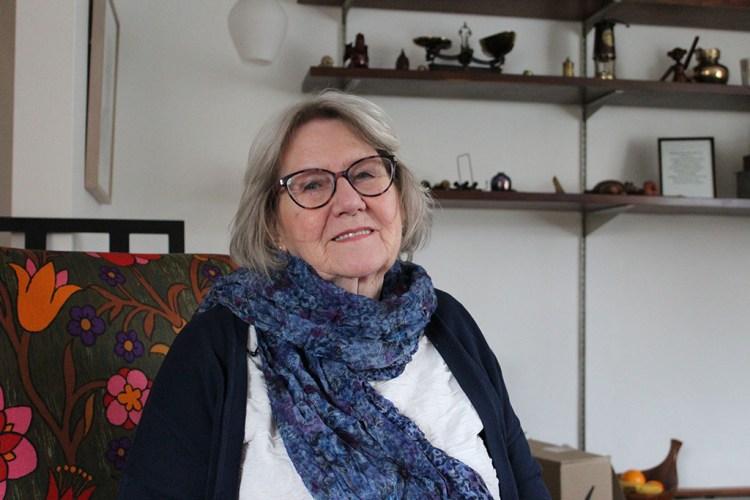
I managed to speak to Aldyth Hardaker who has lived in Leeds for 53 years and had some interesting stories about the city. I voice recorded our interview and took her picture using a digital camera. I felt comfortable with the interview but as it was my first time using a digital cameraand getting use to changing the aperture settings, I found it quite nerve-wracking. However I was happy with the results.
I managed to get pictures of Aldyth where her face was in sharp focus and it was blurry in the background. I achieved this by setting the F-Stop to 4.0 and using the skills I acquired from last weeks workshop.
I worked alone on this story which made the task more challenging but has improved my confidence significantly. I am looking forward to working on more stories, especially my project, where I can experiement with headshots and aperture settings.
This week we learnt about Aperture. I found this really interesting as I have never heard of the term before and I love how much it can effect a photo and how much you can do with it. It is an essential photography skill that helps to determine how dark or bright an image is by controlling the amount of light allowed into the camera lens.
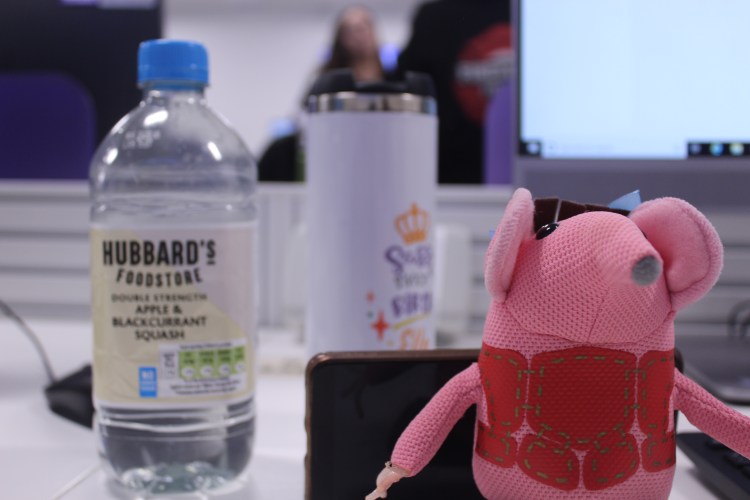
During the workshop we placed three objects at different distances away from the camera and took pictures alterating the aperture and changing the F-Stop. In the first picture I got the teddy bear in sharp focus whilst the other objects further away were slightly blurry. I did this by setting an F stop of 4.0. I then took a photo of all three objects with a setting of F18.0, this resulted in all three items being in focus.
I feel like I have learnt a lot from this workshop and I am now excited to go out taking pictures on my own and attempting to produce photos with a sharp focus. I will definitely be changing the aperture of the photos I take for my final project, I think having a low F-stop will produce really sharp, professional headshots for my persepective interviewees.
I had a few issues attempting to take a picture of Elaine with a very high F-stop of 22 due to a lack of tripod and having shaky hands. The photo came out slightly blurry but it shows how important using aperture settings are in photography.
A photo where the nearest object is in sharp focus
In the photo above, I set the camera to F4.0. This resulted in the object closest to the camera being in sharp focus and the two objects which are further back being slightly blurry. The reason for this is because the camera was letting in more light due to the low F point setting so itallowed less of the picture to be in sharp focus.
A photo where all three objects are in focus
In the second photo I took of the three objects, the one closest to the camera is no longer in sharp focus. All three items are in focus due to the camera being set to F18.0. As the aperture is set to a higher setting it means that less light is allowed through the lense meaning that more of the picture can be in focus.
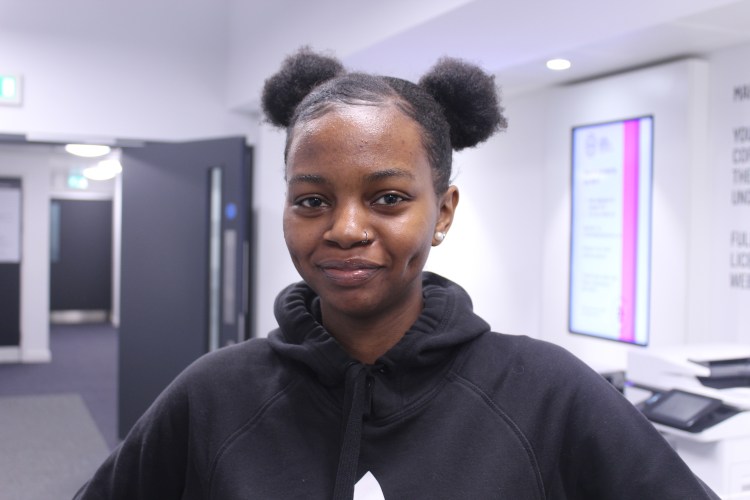
F-Stop in lowest setting
In this photo of Elaine, I had the F-stop set to the lowest it could go, F4.0. As you can see Elaine’s face and body is in sharp focus whereas the objects in the background are blurry. The beauty of the aperture being set at the lowest point means that you can really capture a single object in sharp detail.
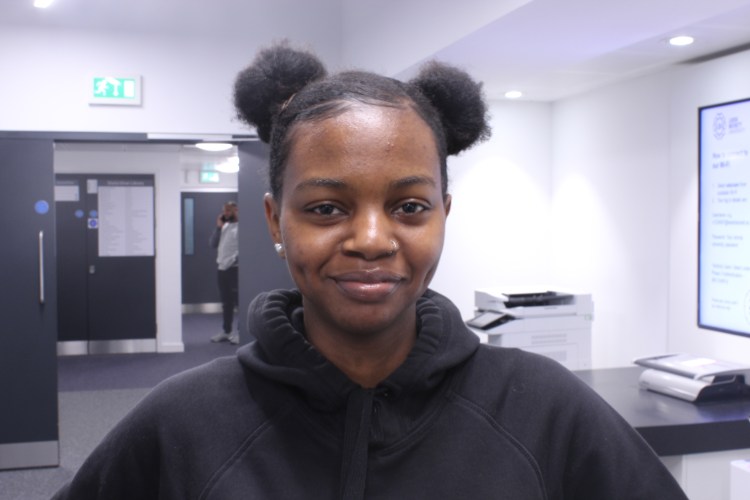
F Stop in middle setting
In the second photograph of Elaine, I had the aperture set to a middle point, F11. I wasn’t a fan of this setting and it doesn’t capture Elaine’s face in good light or in crisp focus.; It makes the photo look less sharp and professional as it isn’t letting in adequate light.
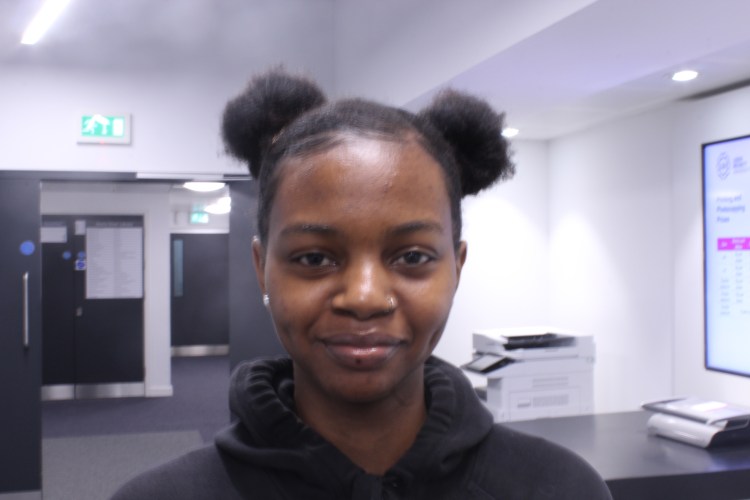
F Stop in highest setting
The final image is when my camera’s aperture was set to F20. As you can see, the picture is slightly blurry- this was the best I could do with the aperture setting so high and no tripod to steady the camera. It didn’t produce a good quality portrait as there was a lack of light and no individual focus on the object.
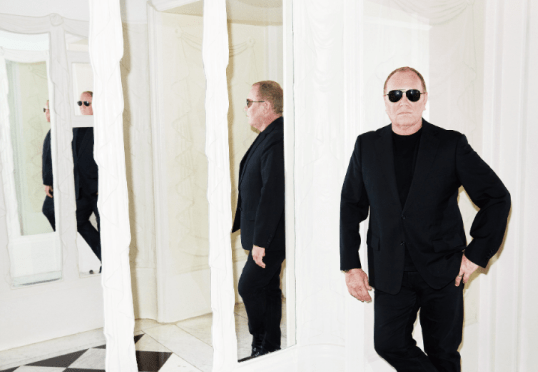
Editorial Portraiture is the art of photographing individuals to illustrate stories. This genre of photography has been described as it being more important to get your subject in the right frame of mind to shoot the picture rather than framing the shot. It is about telling the story of the individual through the photo.
One of the UK’s best editiorial portraiture photographer is Ben McMachon. Ben has had his work published in world-renowed magazines such as Vogue. He states that he is “trying to tell something about the people he shoots so that magazine readers can relate to them.” and this is the one thing all of his shots have him common.
Credit- Ben Mcmachon
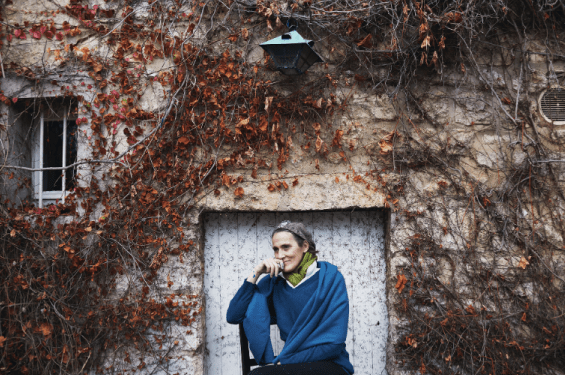
McMachon has photographed huge literary figures such as Nobel-Prize winners, famous artists, international footballers and legendary designers. He has said in the past that one of the main problems he comes across during his work is getting the subject in the shot to look like themselves. Many people attempt to come across in a way that isn’t a true reflection of themselves, often to hide aspects of their personality, but Ben believes that editiorial portrait photography is about capturing these things.
Credit- Ben McMachon
Three tips outlined by Ben to help take editorial portraits are to know your kit, communicate with the subject and to be confident in addressing them.
Credit- Ben McMachon
Ben uses the Nikon D850 camera with a 50mm or an 85mm lens and prefers a camera which is compact and easy to use whilst communicating with the subject.
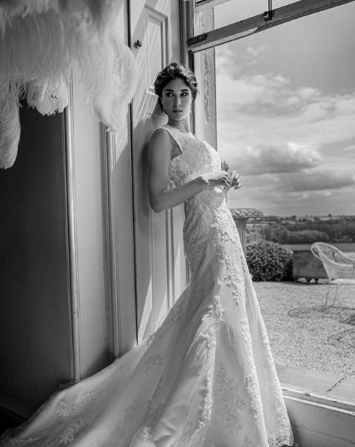
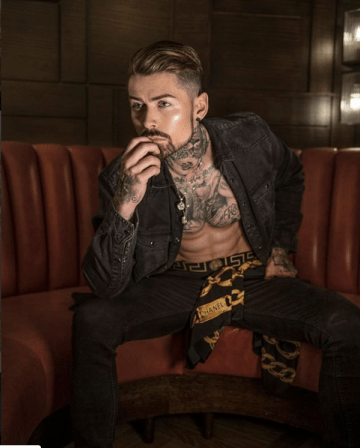
Fashion photographer, James Nader, is another very well-known expert in Editorial Portraiture. He was born in the UK and has branched out his work to many areas of Europe. James has a unique editorial style which includes edgy interpretations of many what otherwise would be standard shots. He captures intimate and personal moments of an individual and portrays them in a way that viewers can understand and feel the photograph and in some cases relate to.
Credit- James Nader
In the shot above, James uses monochrome as he feels like it speaks more in black and white. James said ” I loved the natural relaxed pose and presence of the model and the look through the large window places her. Where and what with why are the messages that I like to present even in my commercial fashion. – a story creates interest I think.”
Credit- James Nader
The photo above is an example of James Nader’s colour work. “The light behind the lens in this case is a simple LED. “This enables a cinematic look to the image. Creative and dynamic lighting but simple and elegant allows the subject to shine through.” said James.
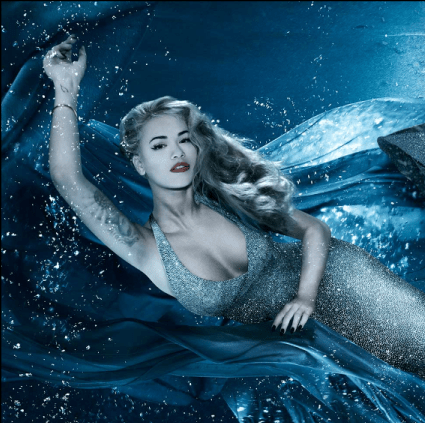
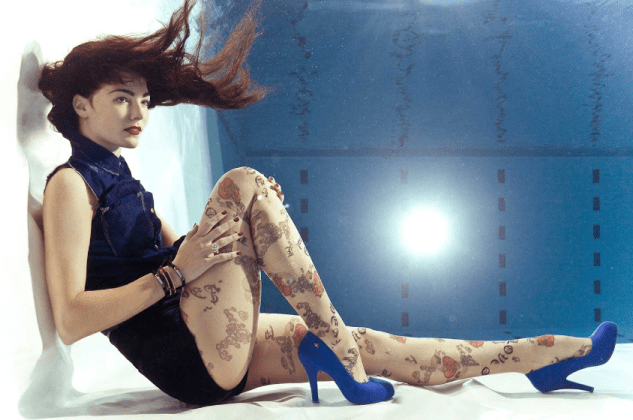
Zena Holloway is a UK Editorial Photographer well-known for her unique photos of people in underwater environments. She has worked with Artists, Olympians and even new-born babies.
Credit- Zena Holloway
Zena has been known to direct her subjects along themes of universal human experience such as romance, love, loss and intimacy.
Credit- Zena Hollaway
After researching editorial portraiture and informing myself on some of the pioneers in the industry, I feel more creative and ready to start thinking about ideas for my project. I would like to shoot people with an interesting story such as someone who has been on the streets in the past and has pulled themselves through to now having a stable job and home. Another idea I have had is shooting somebody who has excelled in a certain profession that many find unusual.
I would attempt to get similar results to those who are experts in the field by familiarising myself with a suitable and effective camera so it becomes second nature using the effects and correct settings for a shoot. Also I would ensure that I get to know the subject well so I could shoot them in a way in which people can view the photo and understand or even relate to them in a personal way.
I have come up with three ideas for my project. I am most drawn to my second idea, The Misconception of Skateboarding, as it is something that I have been wanting to explore for a while and become more knowledgable about. I have a lot of friends who skateboard and I am always interested when they talk about their skates and their experiences associated.
If I chose to go ahead with this idea, I will intitially seek out interviews with desirable contacts in the skateboarding scene. I will then research skateboarding history and the misconceptions associated with it and see if they link with the misconceptions described from the skaters I speak to.
I feel like the misconceptions associated with skateboarding aren’t spoken about and addressed as much as they should be and there is definitely opportunity to explore it and produce a good quality piece of work. I would be able to take photographs of the skateparks, the skaters from afar and headshots, skateboards and graffiti. I feel like I would be able to use my skills with aperture well and also to have a go at motion pictures.
As I used to be a competitive swimmer, I feel like I would be able to produce an article with highly-finished images on the challenges associated with it quite well. I have a lot of knowledge about swimming and the routine involved when you are in training. I feel like one of the issues with this topic is whether or not I would be able to take photographs as there are rules in place at swimming pools which often do not allow photography. Therefore if i go ahead with this idea I would have to take pictures of swimmers outside of the pool area which might not be as good.
Music and Mental Health is a topic I really enjoy covering as it is so broad and there are so many areas of it I can explore. If I were to chose this topic for my project I would focus in on how it can help anxiety and depression and interview people who have good stories surrounding the topic. The only issue with this idea is that I am doing a similar topic for my Radio Journalism Project and I might want to do something different.
Why the UK are scrapping paper money and bringing in plastic banknotes
By Ellie Bagshaw
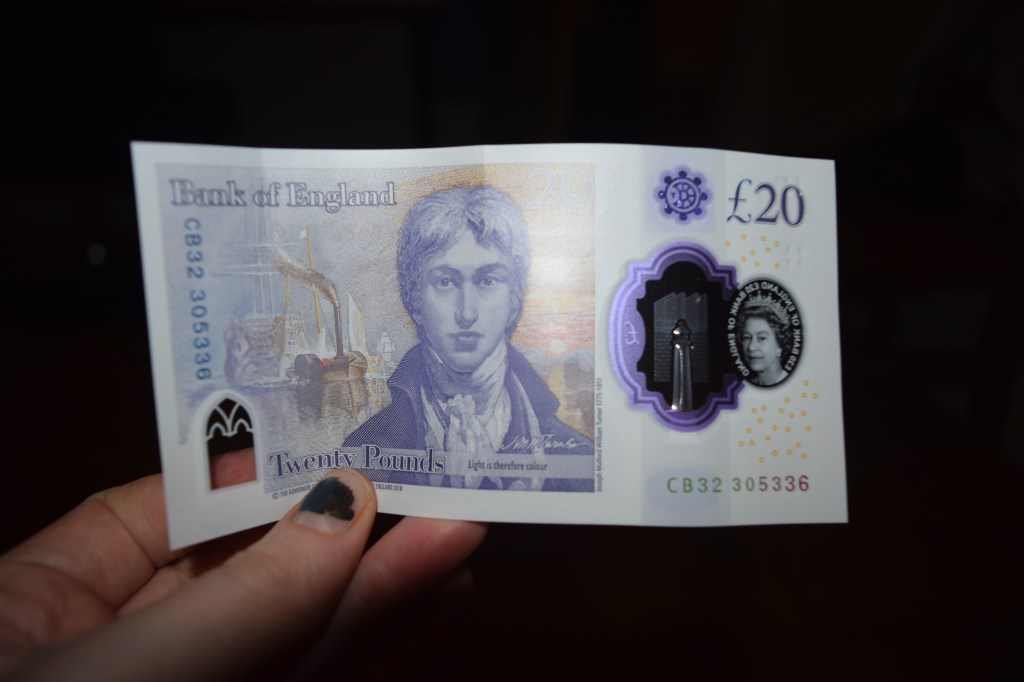
On the 20 February 2020 , the Royal Bank of England will release the new plastic twenty pound banknotes into circulation in the UK. This is following the success of the 5 pound and 10 pound notes which were changed from paper to plastic material in 2016 and 2017.
The new twenty pound banknote will feature English Romantic Painter, JMW Turner. Turner was born in 1775 and is one of England’s most renowned artists. His most famous painting is called ‘The Fighting Temeraire’ which resembles a historic ship during the Battle of Trafalgar.
The 5 pound notes displayed Winston Churchill whereas the ten pound notes featured Jane Austin.
The plastic note will be made of polymers instead of classic paper materials. It will have distignuished features such as having three cluster-raised dotes which will aid blind and partially-blinded people to determine the value of the note.
There are several reasons for the change to polymer bank notes.
Bank of England Governor Mark Carrey stated that “polymer notes last more than twice as long as paper notes”.
Polymer material is also deemed to be safer than paper notes and be better for the environment due to its recyclability and longetivity.
However there has been some debate over the gradual change. The Bank of England confirmed in 2016 that the new material contains traces of animal fat called tallow which is made from rendered beef and mutton. This caused anger in the vegan and vegetarian community when the five and ten pound notes were put into circulation. Therefore it is without a doubt that this anger will arise again with the introduction of the new £20 notes.
Figures gained through Freedom of Information requests also showed that nearly 50 million of the 5 and 10 pound polymer notes have had to be replaced since their release into UK circulation in 2016.
The Bank of England have however commented on these figures stating that they “mainly relate to folds, tears, holes and foil wear and is consistent with the general wear expected for bank notes.”


 Ellie Bagshaw Photography Journalism