

By Ellie Bagshaw
For many people skateboarding isn’t just a hobby, it is a fundamental part of life. From encouraging creativity to improving mental health, skateboarding has many positives that can bring a commmunity together. However there is a lot of misconception that hasn’t allowed it to be seen for the true sport it is.
Picture the scene, 1940s Los Angeles, California. Surfers needed an activity to engage in when the waves were flat. After contemplation, LA surfing shops released the first manufactured skateboards to be used by surfers in their downtime. They copied the shape of the surfboard but made it into a smaller size and added wheels. Surfing on land. Skateboarding was initially known as ‘sidewalk surfing’ for this reason. Early skateboarders imitated surfing manoeuvres and style and even practised the sport barefoot like they would on the water. The creation of this new activity led to excitement in the surfing community and skateboarding as we now know it was established.
It took around twenty years until skateboarding started generating interest in the media. In 1964, the first ever skateboarding magazine was published by John Severson, “The Quarterly Skateboarder”. John Severson highlights within the magazine that the sport was already dealing with criticism even though it was only just starting to take off.
“Today’s skateboarders are founders in this sport—they are pioneers—they are the first. There is no history in Skateboarding—its being made now—by you. The sport is being moulded and we believe that doing the right thing now will lead to a bright future for the sport. Already, there are storm clouds on the horizon with opponents of the sport talking about ban and restriction.”
John Severson, The Quarterly Skateboarder, 1964
A year after the publication of “The Quarterly Skateboarder”, the first ever broadcast of a skateboarding competition took place. The National Skateboarding Championships were held in Anaheim, California, and was aired on ABC’s Wide World of Sports. This was a big step for skateboarding, especially after negative comments were already surfacing about the sport. The broadcast was a huge positive for the movement and it led to pioneers in the sport gaining sponsors and travelling around America demonstrating safety tips and delivering skateboarding exhibitions.
The popularity of skateboarding dropped and remained low until the early 1970s when it then began to rise again. More and more individuals bought skateboards, there were more broadcasts, more magazine coverage and the sport continued to grow. In the 1980s, there was a focus on vert-ramp skateboarding and in the 1990s there was a rise in street skateboarding. Nowadays, skateboarding is a worldwide sport that is practiced by millions of people and has finally been recognised by The Olympics. Skateboarding was due to make its Olympic debut at Tokyo 2020, which has unfortunately been postponed due to the coronavirus. However this achievement has meant a lot for the skateboarding community.
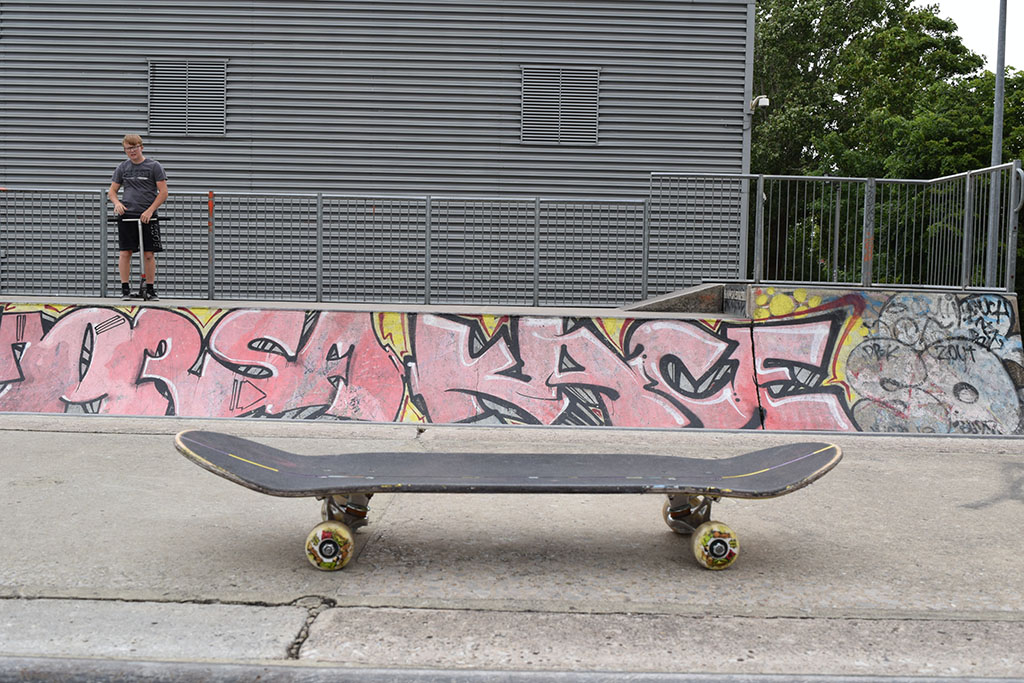
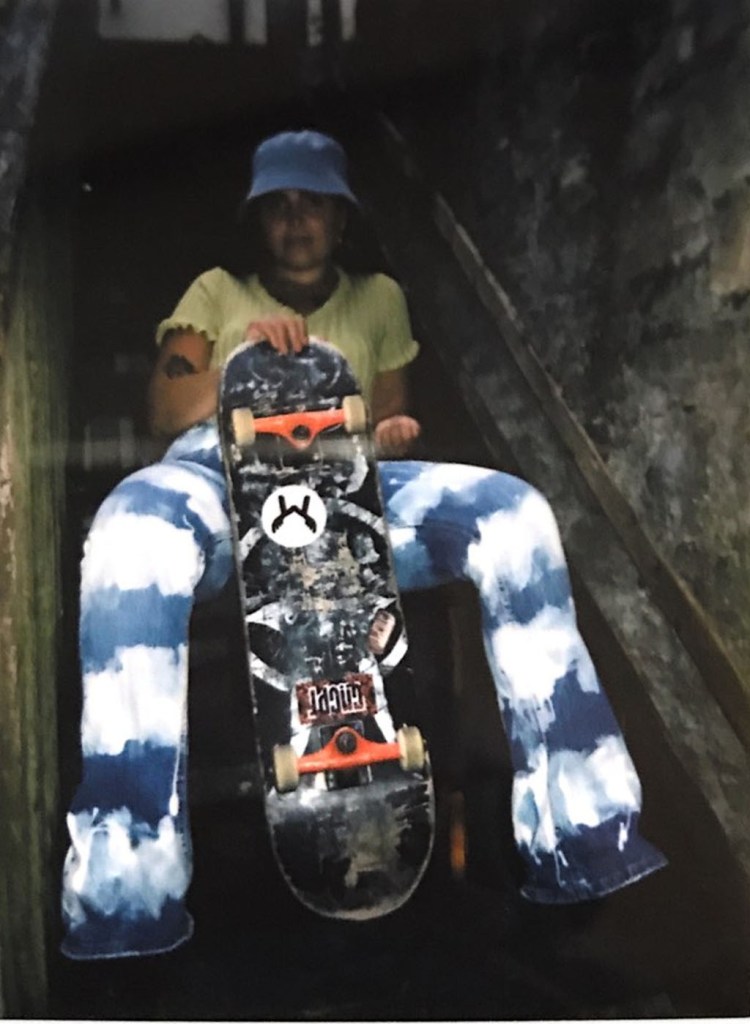
Since the creation of skateboarding, there has been misconceptions. It is often deemed as an antisocial activity. Many skateboarders pride themselves with their individuality and self-expressed, casual style. Cultural values are important for many skateboarders and this is what often sets them apart from other sportsmen and women.
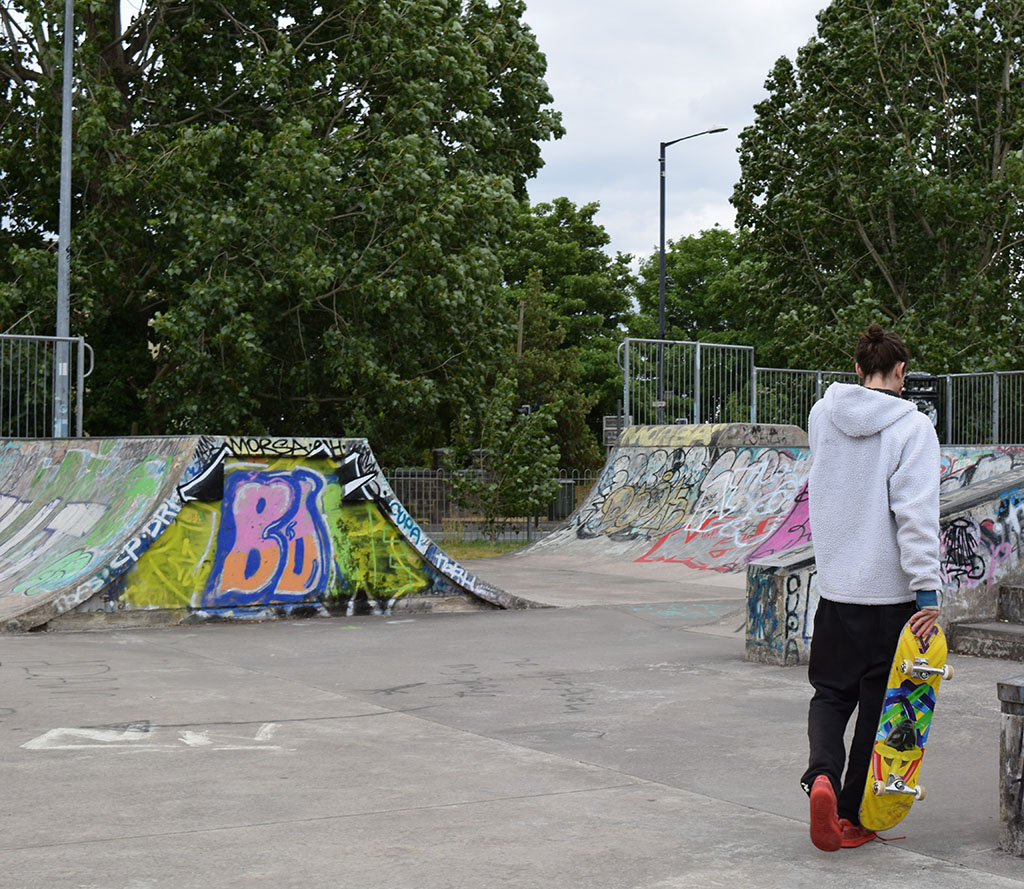
Chester Molyneux is a Skateboarder from Bristol.
“I think that skaters can have an anti-social name because of the rebellious nature of Skateboarding and the fact that it is a fringe sport based in counter culture. But in reality the Skatepark is a great place for community”
Chester Molyneux
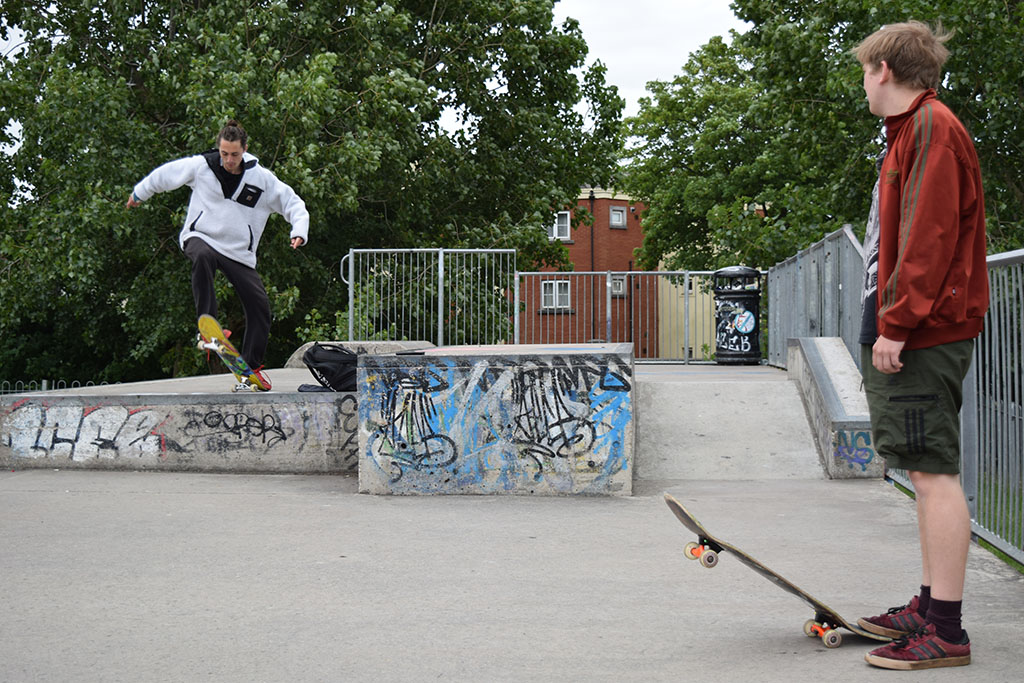
Chester has been skating since the age of seven when his auntie bought him a board. It has become an integral part of his life.

“My favourite thing about skating is the creativity involved and the meditative state you can get into whilst doing a trick. I hope that with the inclusion of skateboarding in the Olympics that more people will take it seriously as a sport”
Chester Molyneux
The antisocial misconception of skateboarding often results in hostility and a lack of respect from the public. Skating is an individual sport that requires patience, perseverance, and skill but it is viewed by many people as a counterproductive activity that is picked up by rebellious teenagers. With education, it is clear to see that skating has a massive community aspect to it and that it allows people to be expressive, it is victimless and is an abundant source of urban recreation.

Many skateboarders suffer from judgement as a result of ignorance by individuals that don’t participate in the sport. A lot of skaters have tattoos, piercings and wear unique clothing items as a way of expressing themselves or representing their culture and because of this they often fall victim to prejudice and discrimination. A lot of skaters are assumed to be drug-users and the skating community is often seen to be a front for the sale of narcotics.
Since the early days of skateboarding, the fashion connected to the sport has been paramount. The creation of the ‘skate shoe’ derived from an increase of foot injuries caused by newfound surfers skating barefoot. The skate shoe is typically a slip-on sticky-sole tip shoe which helps with grip and is lightweight to aid skating. Skatewear has become very fashionable over the years especially post 2000s, with labels such as Vans, Huf and Yardsale releasing a wide range of shoes, long-sleeve tops, and trousers. The skater look is often seen as ‘scruffy’ and ‘oversized’ but not all industries view it as that.
Multi-million dollar fashion and lifestyle magazine Vogue have taken an firm interest in skateboarding and have done many collaborations on the catwalk. Vogue covers the sport in its magazine both online and in print. On Vogue’s website, Skateboarding has its own section which shows all of the related stories and upcoming featured events.
One of the main skateboarding fashion brands is Vans. They are based in California but have stores all over the world. Not only do they supply the latest skate wear but they also sponsor talented skaters around the world. They also host an annual rock festival called Vans Warped Tour. Vans is a brand that is enjoyed by non-skaters as well as skateboarders which is often a reason why those who have been in the sport all of their life tend to find more underground skate brands such as Yardsale and Magenta to keep their style unique and authentic.
“If you were wearing Vans shoes in 86’, you were a skateboarder”
Tony Hawk
Fashion is a big part of skateboarding as it is a form of expression and cultural representation. The stereotype that skaters are misfits and rebellious based on what they wear is a massive misconception surrounding the sport. The support of magazines such as Vogue is furthering the sport and helping to destroy this misconception.
One of the main fallacies associated with Skateboarding is the topic of vandalism. Many people believe that skateboarding should not be allowed as it is responsible for damaging public property in communities such as curbs, steps, parks, and benches. However a lot of skaters are forced to resort to skating around these areas due to a lack of government funding into the sport and a shortage of dedicated places for skateboarding.
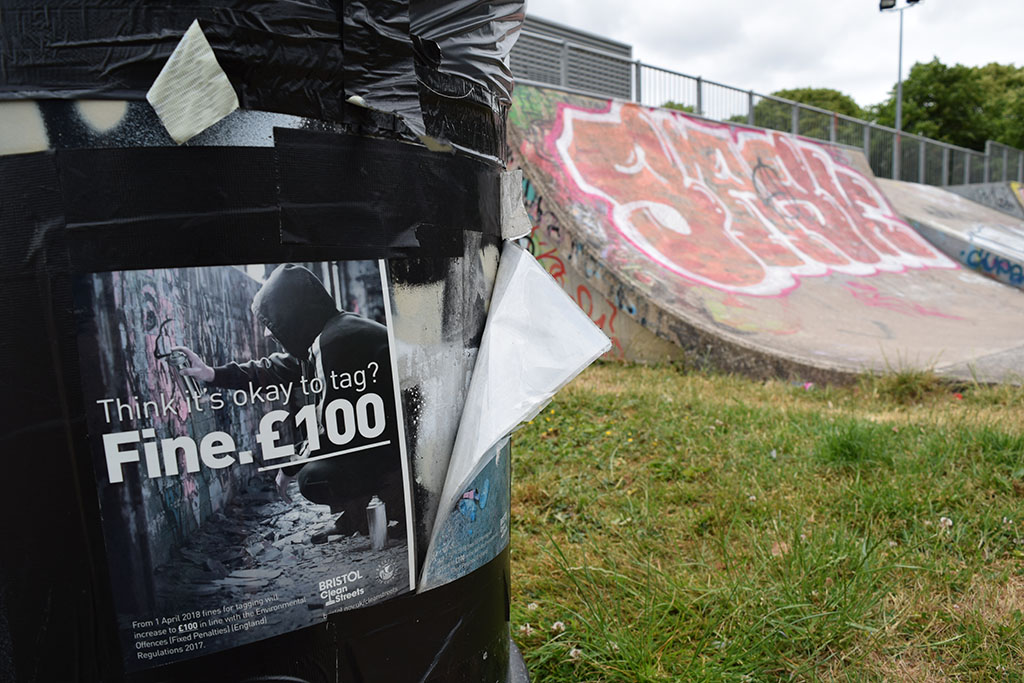
Many areas, especially city centres, have introduced skate stoppers. These are specifically-designed to deter unwanted skateboarding by eradicating long and smooth edges on places that skaters seek out, such as buildings, benches and ramps. They are basically speed bumps for skaters and they make it near enough impossible for skaters to practice in these places.
Oka Harhalakis is a skateboarder from London and has been skating since the age of nine.
“If people knew the amount of time and effort, aswell as the odd spill of blood, that skaters put into doing one trick, then the misconceptions would vanish”
Oka Harhalakis
Out of all the skaters I have spoken to, not one has suggested that they enjoy or seek to vandalize public property but instead, they are forced to use these areas as skateparks are consistently being shut down or underfunded due to ignorant misconceptions.

“Skateparks are not exactly playgrounds but at the end of the day they can be as safe as one. They provide so many positive aspects and are a place for people to flourish; It is where people can find themselves through their board and bonding with the skate community”
Oka Harhalakis
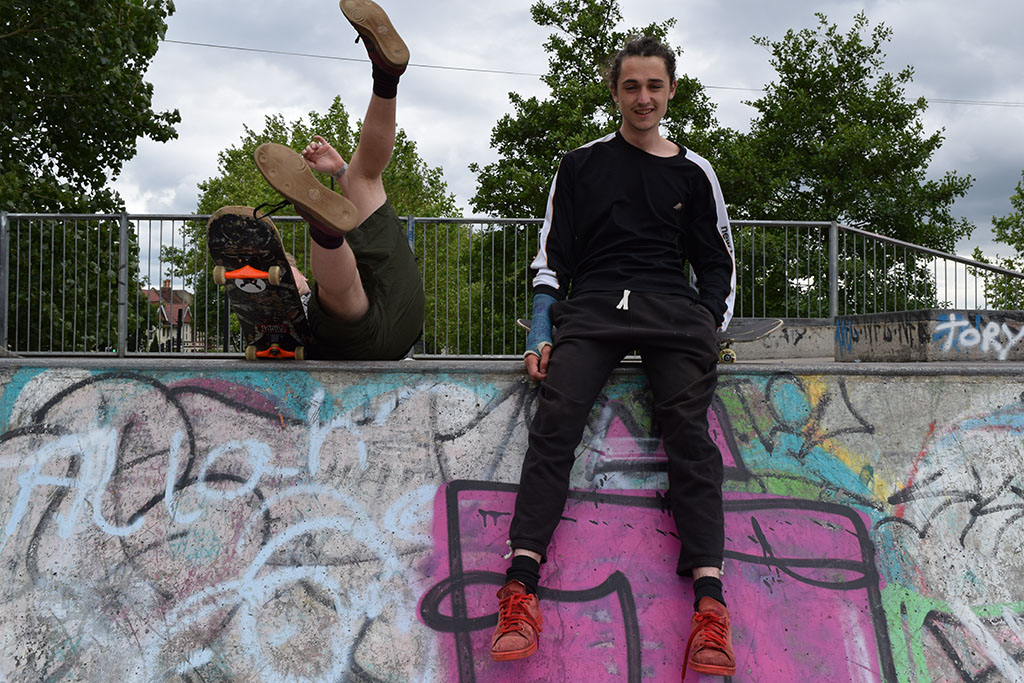
Skateparks are often seen as places of drugs, violence, and negativity but through education and destroying the painful stereotypes associated with them, it becomes clear that they are places of diversity, resilience, and community. The skating community is one of the most open-minded and accepting out there where people of all gender, race, sexuality, and cultural upbringing are welcomed if they are there to skate. There are organisations such as www.skatepark.org who are dedicated to building skateparks across the globe.
“The only reason skateparks get a bad rep is because of the non-skaters that turn up to them and cause trouble. Skateparks attract lurkers and pissheads because they know its a place where they can chill and not be be judged or moved on. Skaters go to skate, not to cause trouble”
Oka Harhalakis
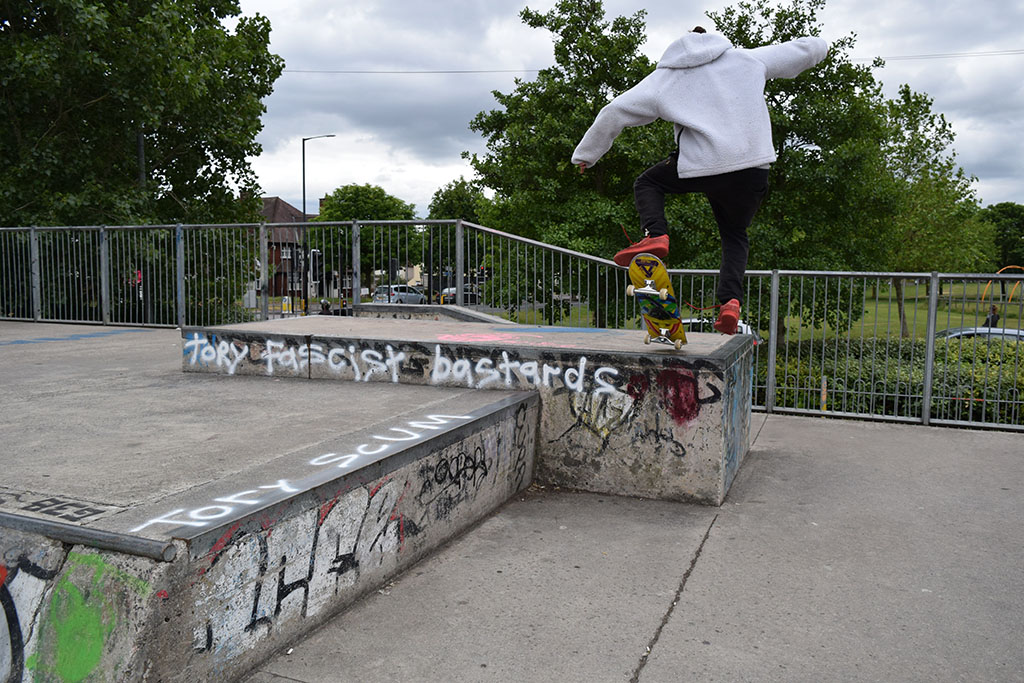
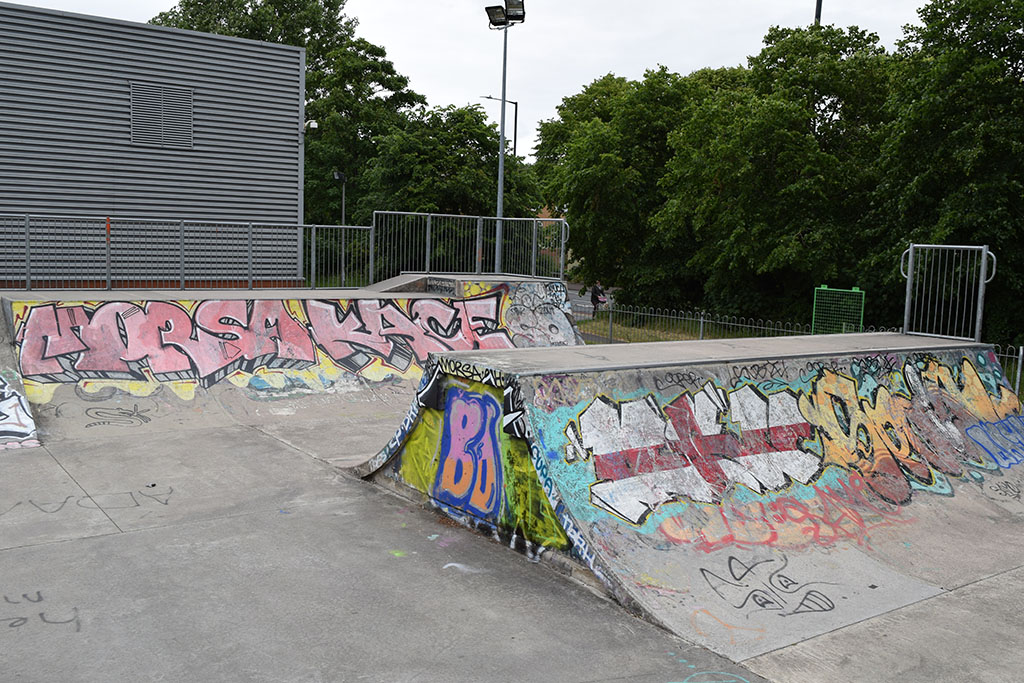
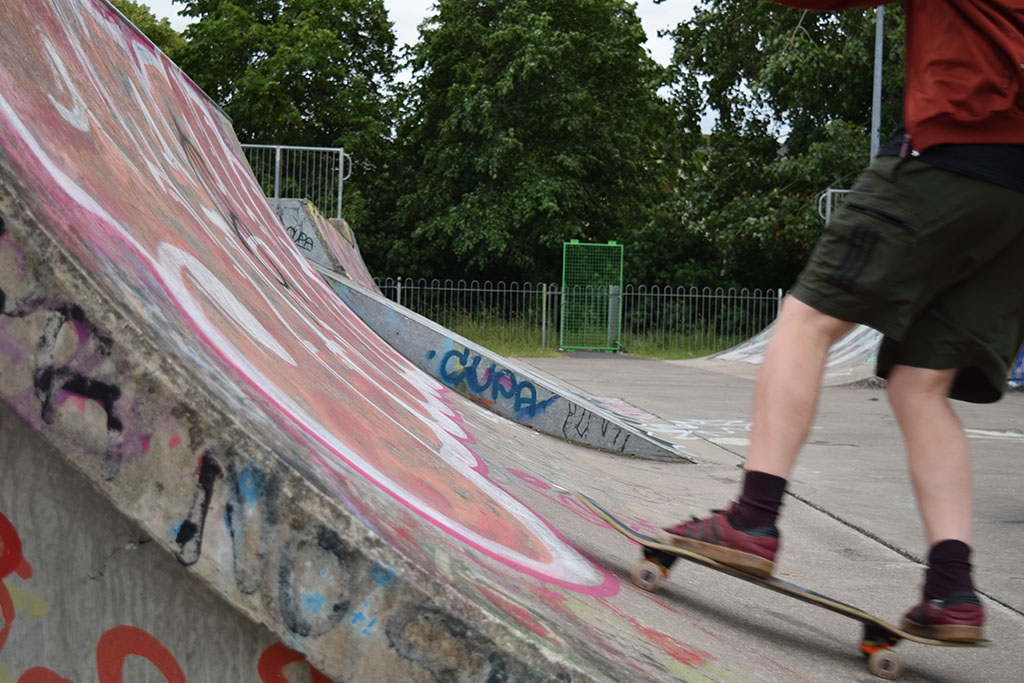
Skateparks are often covered in graffiti. To some people graffiti may be viewed as a form of vandalism and disrespect for public property, however to many skaters it is a form of art and creativity. Over the years, graffiti has become a symbol of rebellion and law-breaking and as many skateparks are covered in it they are often associated and given a bad reputation. By destroying the ignorance and stereotypes surrounding graffiti, it may help improve the way a skatepark is viewed and consequentially skateboarding.
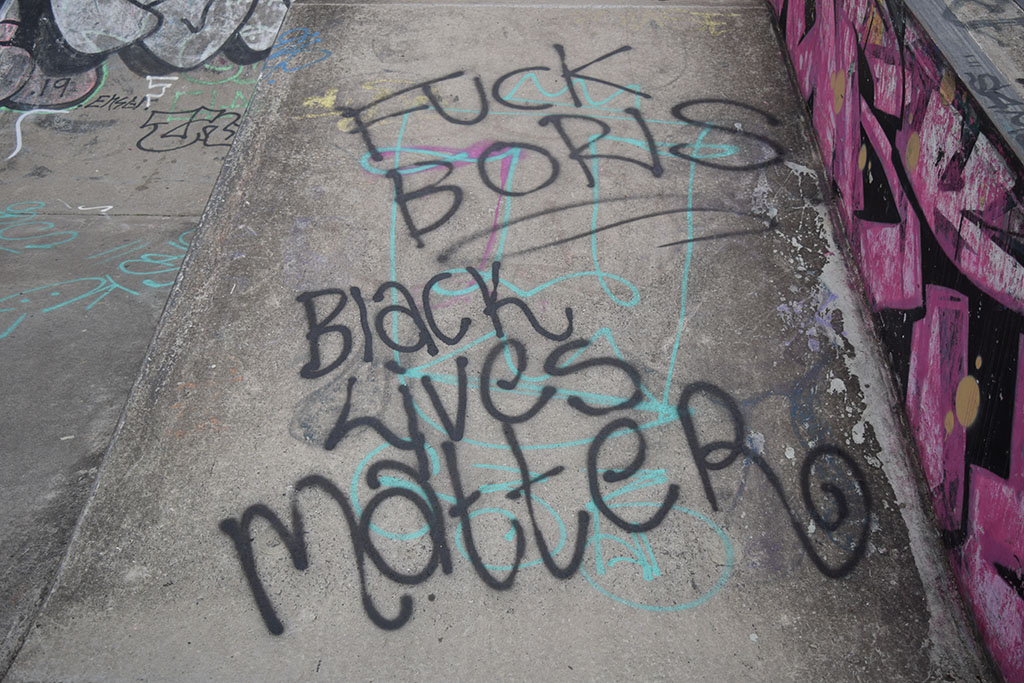
Skateboarding is often criticised for being an unsafe sport. Parents are often deterred from encouraging their children to pick up a board and start skating as they fear it is a dangerous activity. With the lack of skateparks and the rise of street skating it is not surprising that many individuals are put off by this aspect of the sport. It may not give the best impression when you see skaters whizzing in and out of traffic going forty anper hour.
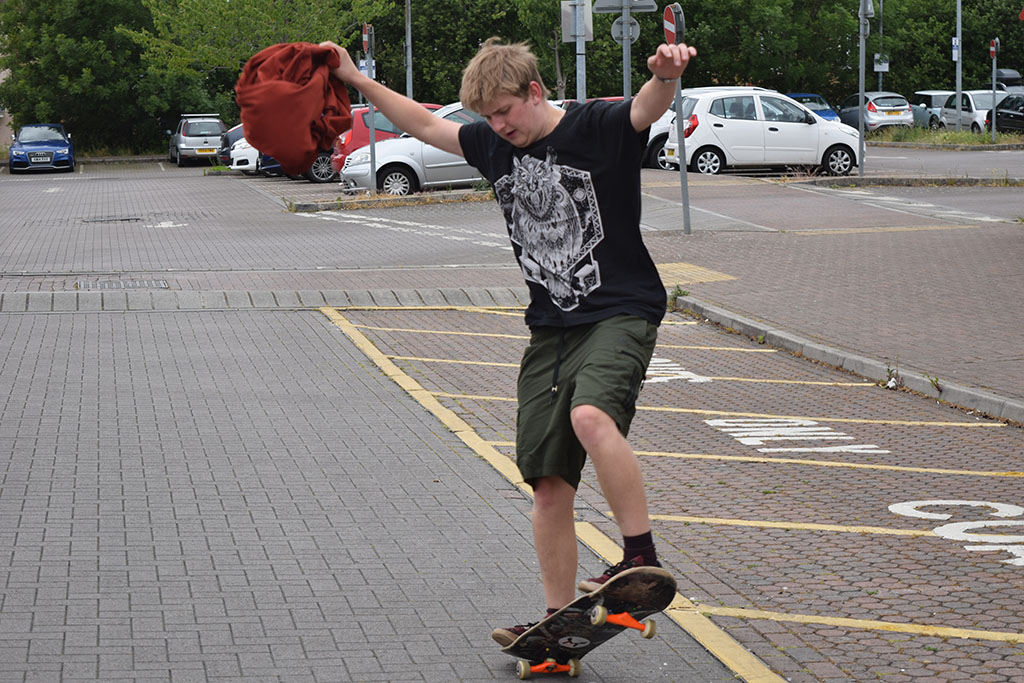
Although the sport may be perceived to be one for daredevils and risktakers, skateboarding, when taught correctly and safety, is proven to be as safe or even safer than many traditional sports such as cycling, basketball and football. Skateboarding allows an individual to take calculated risks in a controlled environment where if a mistake is made it results in immediate consequences. To become skilled at skateboarding, the fundamentals must be learnt initially with manoeuvres, tricks, and techniques to be mastered after.
Lots of skaters are encouraged to wear the correct protective equipment such as wrist pads, helmets, elbow and knee pads and the right footwear. The skatepark community always want to support beginners and often offer advice on how to be safe during the learning of fundamentals. The support system in the skateboarding community massively reduces the dangerous risks associated.

All of these misconceptions are gradually being addressed over time with the help of education and broadcasting. Technology has helped the movement of skateboarding with the release of films, documentaries and video games which show the positive side to the sport that many people are unaware of.
In 1986, the film ‘Thrashin’ was released. The film is an american skater drama directed by David Winters and starred Josh Brolin. The film was one of its kind at the time and starred famous skaters such as Tony Alva, Tony Hawk, Steve Caballero and Christian Hosoi. Iconic band Red Hot Chilli Peppers make a guest appearance as well. The film was very successful and helped popularise skateboarding.
An iconic skating documentary is ‘Dogtown and Z-Boys’. This was directed by Stacey Peralta and follows how a surf team from South California formed the Z-Boys Skateboarding Team and how it transformed skateboarding. The documentary is legendary for skateboarding enthusiasts and has helped people to understand how much the sport can mean to people.
Alongside technology, role models have helped individuals to become inspired and pick up a skateboard. Tony Hawk is a staple name in the world of skateboarding. He is also known by many non-skateboarders. Hawk is a professional skateboarder who has become one of the pioneers in the industry; owning his own skateboard company, Birdhouse, licensing his own video games series called Tony Hawks Pro-Skater which has been published by Activision and being an all-round skateboarding idol. Pioneers such as Tony Hawk have helped destroy the misconceptions of the sport by having a platform to spread the positive aspects of skating such as improved mental health, fitness, and unity.
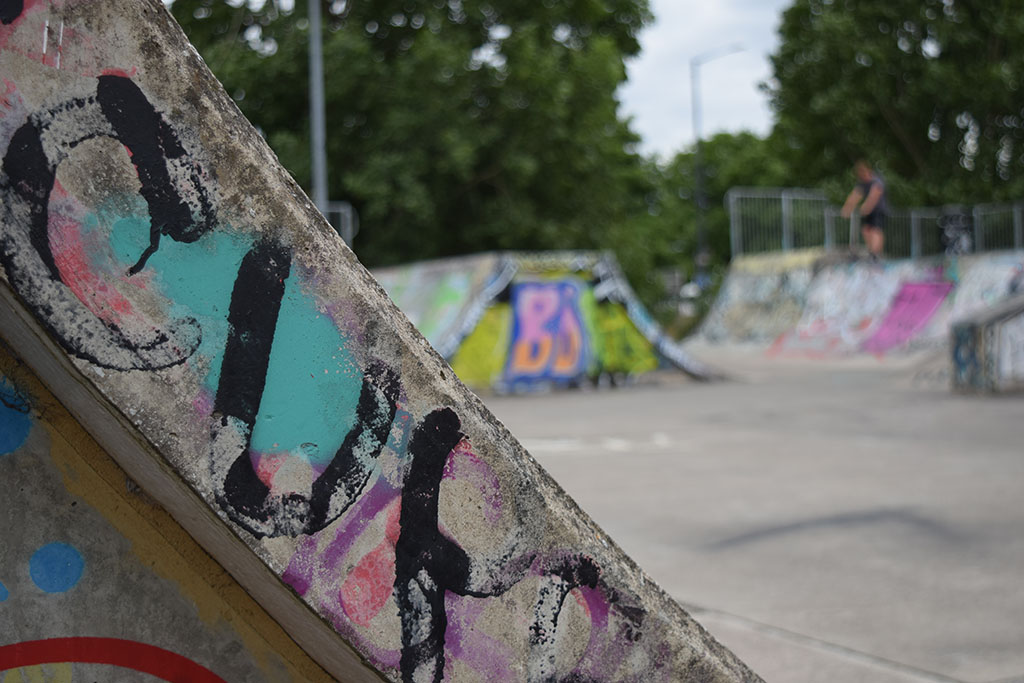
Skateboarding has always been labelled as a rebellious activity. There are many misconceptions surrounding the sport which have made it out to be something that it is not. By educating people about the culture and history of skateboarding and destroying the ignorance surrounding it, hopefully it will be more widely respected. The fact that Skateboarding has finally been accepted as an Olympic Sport will hopefully help to destroy the misconceptions and will allow people to see it for the positive and rewarding activity that it is.















 Ellie Bagshaw Photography Journalism